
A parent’s fall can be frightening, especially when no one is sure what to do next. A clear family action plan can help everyone respond calmly, protect your loved one’s well-being, and make better decisions after the immediate concern has passed.
For families in Norman, OK, planning ahead can also make it easier to decide whether home is still the safest setting or whether a senior living community may offer the right next step.
What to Do When a Senior Parent Falls
The moments after a fall call for calm, careful action. Resist the urge to immediately help your parent stand. First, ask if they're in pain and look for visible signs of injury, such as swelling, bleeding, or bruising.
Call 911 right away if your parent:
- Is unconscious, confused, or unusually drowsy
- Hit their head or may have hit their head
- Has severe pain, swelling, or signs of a fracture
- Cannot move safely or bear weight
- Has trouble breathing or speaking clearly
If your parent appears uninjured and can move without pain, help them rise slowly. Have them roll onto their side, move to a hands-and-knees position, and use a sturdy chair for support. Stay nearby afterward and watch for delayed symptoms such as dizziness, nausea, headache, or behavior changes.
Even if the fall seems minor, document what happened and contact their doctor within 24 hours.
Parent Had a Fall: Now What Should Families Watch For?
After the initial response, the next step is understanding why the fall happened. Was the floor slippery? Was the room poorly lit? Did your parent feel dizzy before falling? These details can help a doctor or therapist identify what may need to change.
Families should pay attention to patterns such as:
- Falling more than once in a short period
- Avoiding walking because of fear
- Holding onto furniture for balance
- Forgetting to use a walker or cane
- Struggling with stairs, bathing, or getting dressed
- Feeling weak after a hospital stay or illness
A single fall may be an isolated event. Repeated falls in senior adults require next steps that look at health, home safety, mobility, and daily support.
Parent Is Falling Frequently: Here’s What to Do
If your parent is falling frequently, here’s what to do first: schedule a medical review. Falls can be linked to vision changes, balance concerns, dehydration, blood pressure issues, or medication side effects. A doctor may recommend physical therapy, mobility support, or changes to the home environment.
It is also important to have an honest conversation about daily life. Ask whether your parent feels safe getting around, bathing, preparing meals, or being alone at night. These conversations can be difficult, but they often help families act before another emergency happens.
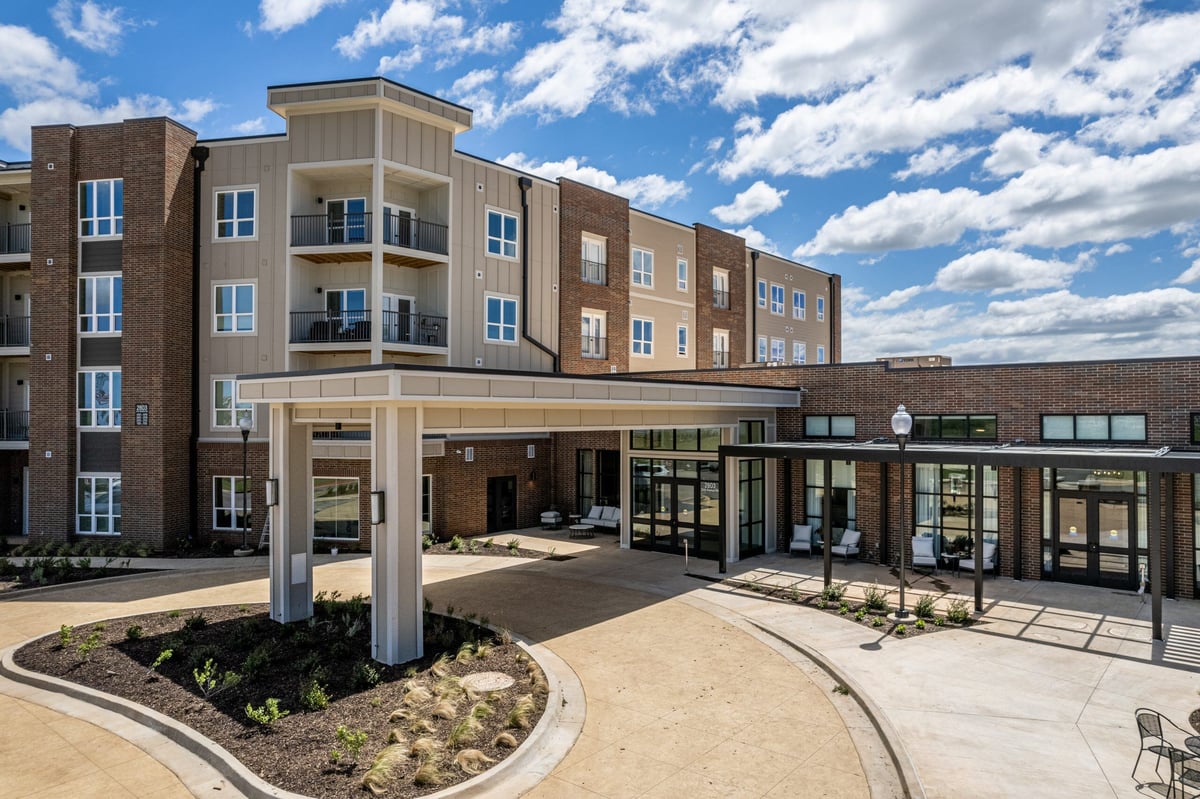
For some families, this is the point where Assisted Living at Sooner Station becomes part of the conversation. Our Assisted Living offers support with daily activities, chef-prepared meals, weekly housekeeping, scheduled transportation, and access to community programs in a setting built around comfort and connection.
Building a Fall Prevention Plan for Senior Parents
A fall prevention plan for senior parents should be simple, practical, and easy for everyone to follow. Start by walking through your parent’s home and looking for risks that may be easy to miss.
Common fall hazards include:
- Loose rugs, cords, or cluttered walkways
- Dim lighting in halls, bathrooms, or stairs
- Slippery bathroom floors without grab bars
- Shoes or slippers without good traction
- Furniture that shifts when used for balance
- Items stored too high or too low to reach safely
Next, focus on routines that can reduce risk. Encourage regular vision and hearing checks, proper footwear, hydration, and physician-approved movement that supports strength and balance.
Hospital Discharge After Senior Fall Planning
Hospital discharge after a senior fall requires careful planning. Before your parent leaves the hospital, ask the care team what has changed. Families should understand new medications, therapy recommendations, mobility instructions, and follow-up appointments.
This is also the time to ask whether your parent can safely return home right away. Some older adults need more support during recovery than family members can provide alone.
Ask the discharge team:
- Does my parent need physical or occupational therapy?
- Are there new mobility restrictions?
- What warning signs should we watch for at home?
- Are changes needed in the bathroom, bedroom, or entryway?
- Should someone be with them overnight or during the day?
- Is it safe for them to manage meals, bathing, and medications?
If returning home feels uncertain, it may be time to explore senior living options in Norman. Sooner Station offers Active Independent Living, Assisted Living, and SHINE® Memory Care, giving families a range of options as needs change.
When a Fall Signals the Need for More Support
A fall doesn't always mean a move is needed. However, ongoing falls, hospital visits, or fear of being alone may suggest that your parent needs more daily support.
Assisted living can provide help with daily activities while offering privacy, dignity, and a more connected routine. At Sooner Station, residents can enjoy Sensations Dining, scheduled transportation, housekeeping, social events, and access to team members who are available to help with daily needs.
For older adults living with Alzheimer’s disease or another form of dementia, SHINE® Memory Care at Sooner Station offers a science-based, personalized approach that supports engagement, comprehension, and quality of life. This may be helpful when falls are connected to confusion, wandering, or changes in judgment.
Creating a Family Communication Strategy
A strong emergency action plan works best when everyone knows their role. Choose one family member to serve as the main contact for medical updates. Keep important information in one place so it is easy to access during a stressful moment.
Include current medication lists, insurance information, physician contacts, preferred hospitals, legal documents, and your parents’ care preferences. A shared document or family group text can help everyone stay informed without repeating the same updates.
Schedule regular check-ins to talk about changes in your parents’ health, mood, mobility, or confidence. These conversations can help families spot concerns early and make decisions together rather than waiting for the next crisis.
FAQ: Falls and Senior Parent Safety
Should I take my parent to the hospital after every fall?
Not every fall requires a hospital visit, but you should call 911 if your parent hits their head, has severe pain, appears confused, cannot move safely, or shows signs of serious injury. When in doubt, seek medical guidance.
What should I do if my parent keeps falling?
Start with a medical evaluation, then review the home environment, medications, vision, balance, and daily routines. Repeated falls shouldn't be dismissed as normal aging.
How can senior living help after repeated falls?
Senior living can reduce some common risks by offering accessible spaces, meals, housekeeping, transportation, wellness programs, and daily support. The right fit depends on your parents’ needs, health, and preferences.
Schedule a personalized tour of Sooner Station to learn how our senior living community in Norman, OK, can support your family’s next step.