
Summary
Your first week in Assisted Living is a chance to get oriented to your new community, meet supportive team members, and begin establishing comfortable routines. This gradual introduction helps both residents and families feel more confident about the transition.
- Expect a personalized welcome that includes learning community spaces, reviewing your care plan, and understanding how to request support
- You'll gradually meet care partners, dining staff, neighbors, and other team members throughout the week at a pace that feels right for you
- Establishing daily routines—such as favorite mealtimes, preferred activities, and go-to relaxation spots—creates familiarity and comfort
- Explore dining options, community events, and wellness programs at a relaxed pace; trying one meal or event per day prevents overwhelming yourself
- Emotions may shift during your first week, which is normal; consistent family check-ins and supportive conversations help build confidence
Moving into assisted living can feel like a big change, especially in the first few days. Knowing what to expect can make the transition feel more manageable for both residents and families.
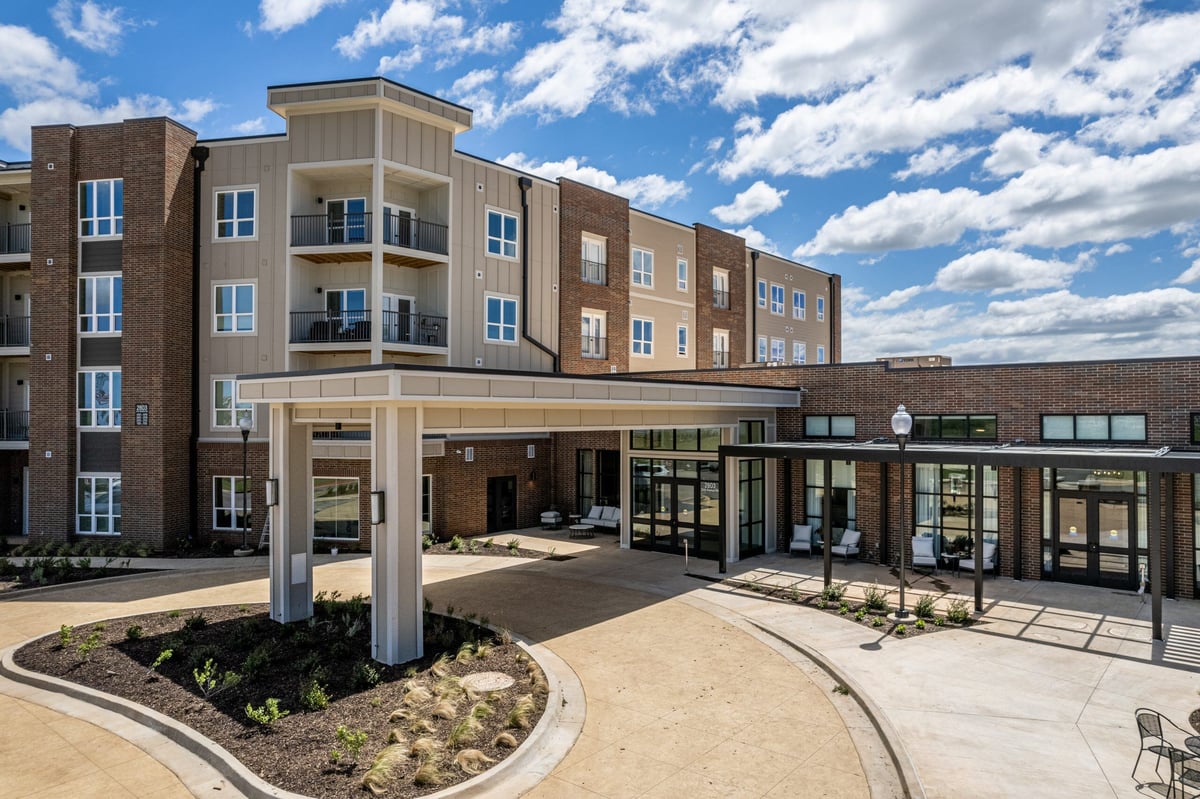
At Sooner Station in Norman, OK, the first week in assisted living is focused on learning the community, meeting helpful team members, and beginning routines that feel comfortable.
Your Personalized Welcome and Orientation
The assisted living orientation process begins soon after move-in. Team members introduce themselves, answer questions, and help residents become familiar with the spaces they may use most often.
During the first day or two, residents may be shown:
- Dining areas and mealtimes
- Common spaces for relaxing or visiting with neighbors
- Program and event spaces
- Safety procedures and emergency protocols
- How to request assistance when needed
- Where to find concierge support, transportation details, and community calendars
This new resident welcome experience also includes a review of the resident’s care plan, preferences, routines, and daily support needs. Families may take part in these early conversations to share helpful details, such as favorite foods, morning habits, hobbies, or preferred ways to communicate.
At Sooner Station Assisted Living, this first-week support is meant to help residents feel seen, respected, and more comfortable asking questions as they settle in.
Meeting Team Members and Neighbors
Adjusting to assisted living in the first days is easier when residents begin recognizing familiar faces. Throughout the week, they may meet care partners, dining team members, wellness professionals, housekeeping and maintenance team members, concierge support, and program coordinators.
They will also begin meeting neighbors during meals, events, and casual conversations in shared spaces. Some residents enjoy jumping into group gatherings right away. Others need more time before they feel ready to participate. Both are normal.
Sooner Station’s setting near University North Park and OU-area landmarks gives the community a spirited Norman feel, but the first week is still paced around each person’s comfort level. Team members can offer gentle invitations without pressuring residents to do too much too soon.
Settling Into a Daily Routine
One of the most helpful parts of the first week is creating a rhythm that feels familiar. For many residents, mornings may include support with daily activities, followed by breakfast and time to review the day’s options.
As the week continues, team members learn what each resident prefers. Some may enjoy dining with others in the community. Some may want a quieter table at first. Some may look forward to scheduled events, while others may prefer reading, walking, or spending time with family.
A typical first-week routine may include:
- Getting familiar with mealtimes and dining preferences
- Learning how and when support is provided
- Exploring favorite places to sit, visit, or relax
- Trying one or two events from the community calendar
- Meeting neighbors gradually
- Asking questions as new routines take shape
There's no single right way to begin transitioning into an assisted living community. The goal is to help each resident feel comfortable, supported, and more at ease day by day.
Exploring Dining, Events, and Community Life
The first week is also a good time to learn what daily life can feel like. At Sooner Station, residents can experience Sensations dining, which includes freshly prepared meals and rotating menus shaped with resident input. Shared meals often become one of the easiest ways to meet neighbors and begin feeling connected.
Residents may also be invited to Celebrations events, which can include options such as educational lectures, art classes, table games, live music, entertainment, and social gatherings. For residents interested in wellness, Dimensions programming may include recreational, social, and fitness-focused options designed to support strength, balance, flexibility, and overall well-being.
New residents don't need to try everything right away. A lighter first-week approach often works best:
- Choose one meal in the dining room each day
- Attend one small event or social gathering
- Ask about scheduled transportation for errands or outings
- Visit a shared space during a quieter time
- Use Expressions Concierge for help with questions or simple requests
Small steps can make the community feel more familiar without making the first week overwhelming.
Building Confidence During the First Week
By the end of the first week, many residents begin to feel more confident finding their way around, recognizing team members, and understanding how to request support. Families may notice their loved one identifying favorite places, preferred routines, or new acquaintances.
It's also normal for emotions to shift during this time. A resident may feel excited one day and uncertain the next. That doesn't mean the move is going poorly. It often means the change is becoming real. Consistent check-ins, familiar routines, and supportive conversations can help.
The first week in assisted living isn't about having everything figured out. It's about creating a foundation. With time, patience, and encouragement, residents can begin to feel more comfortable in their new surroundings and more connected to community life.
FAQ: The First Week in Assisted Living
How Long Does It Take to Adjust to Assisted Living?
Every resident adjusts at a different pace. Some feel comfortable within days, while others need several weeks to settle into new routines, meet neighbors, and feel at home.
Should Family Visit During the First Week?
Family visits can be helpful, especially when they are calm, positive, and supportive. Some families visit often at first, while others give their loved one space to build confidence. The best approach depends on the resident’s personality and comfort level.
What Should Families Ask During the First Week?
Families may want to ask how their loved one is eating, sleeping, participating, and adjusting emotionally. It's also helpful to ask whether any routines, preferences, or support needs should be updated after move-in.
A thoughtful first week can make the transition feel less uncertain and more personal. To see how Sooner Station supports new residents and families, schedule a tour today.