.jpg?width=960&length=960&name=pink-ribbon-breast-cancer-awar%20(1).jpg)
Breast cancer awareness is important for Norman seniors. Knowing the facts can help older adults stay informed and take action to protect their health. Seniors can benefit from early detection and clear guidance on prevention steps.
Each year in the United States, about 270,000 women get breast cancer, and 42,000 women die from the disease, according to the CDC.
Norman, home to the University of Oklahoma, provides seniors with a supportive community and access to many health resources. With education and clear cancer screening guidelines, older adults can stay engaged in their wellness journey.
This article explores practical tips and insights for seniors who want to stay proactive about their health.
What Is The Official Breast Cancer Day?
National Metastatic Breast Cancer Awareness Day is October 13. This day falls within Breast Cancer Awareness Month, which runs through October. Seniors and their families can use this day to focus on education and support efforts.
October 13 is recognized across the nation as a day of unity for those affected by breast cancer. Communities:
- Host events
- Share survivor stories
- Encourage screenings
For Norman seniors, this day offers a reminder to schedule checkups and learn more about prevention.
How To Honor Breast Cancer Awareness Month?
Breast Cancer Awareness Month is observed every October. Seniors can join events, share knowledge, and encourage others to stay proactive. Awareness months promote education and community support for important health issues.
Seniors in Norman can attend local lectures, participate in walks, or wear pink as a show of support. Taking part helps spread knowledge about senior breast health. Families can also use this time to discuss screening schedules and healthy habits.
Senior Breast Health And Risk Factor Education
Senior breast health depends on understanding common risk factors. Older age is one of the strongest predictors of breast cancer. Lifestyle choices also play a role in risk levels. Education allows seniors to take practical steps toward prevention.
Risk factor education helps older adults make better choices. Seniors can reduce risk by:
- Maintaining a healthy weight
- Staying physically active
- Limiting alcohol intake
- Discussing family history with a doctor
Awareness of these factors supports health awareness older adults can use daily. Knowledge empowers seniors to take control of their wellness.
Understanding Cancer Screening Guidelines
Screening guidelines vary depending on age and health history. For most women, mammograms are recommended every one to two years starting at age 40.
Seniors may continue screenings if they are in good health. Screenings save lives by finding cancer before symptoms appear.
The American Cancer Society states that breast cancer is sometimes found after symptoms appear, but many women have no symptoms. This is why mammograms remain critical for early detection in older adults.
Early detection increases the chance of successful treatment. Seniors benefit from routine screenings and self-awareness.
Ways to Support Health Awareness for Older Adults
Health awareness for older adults covers more than just screenings. It includes lifestyle, mental health, and community engagement. Staying informed helps seniors live longer, healthier lives.
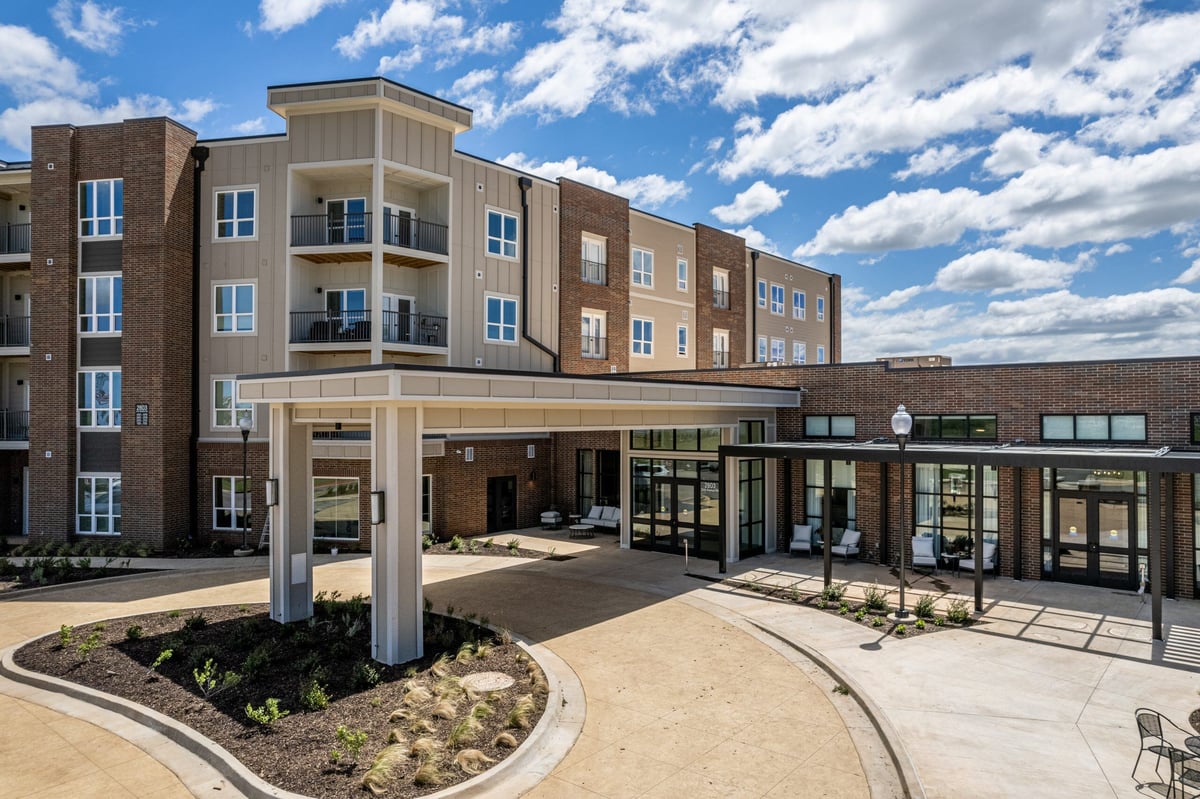
Sooner Station residents have access to exclusive programs that encourage wellness. Seniors who stay engaged in activities are more likely to remain active and socially connected, which supports overall health.
Norman Community Support For Seniors
Norman hosts events and programs that highlight health awareness older adults can use. The University of Oklahoma often partners with groups to spread important health information. Community partnerships build stronger awareness and better outcomes for seniors.
Sooner Station's location near University North Park makes it easy for seniors to stay involved in local events. Whether through lectures, awareness walks, or cultural programs, older adults in Norman can stay connected to meaningful activities while learning about prevention and care.
Where to Find More Breast Cancer Resources
Many organizations provide resources for seniors and families living with breast cancer. These include education guides, support groups, and community events. Access to resources helps families feel supported and informed.
Living Beyond Breast Cancer offers a wide collection of tools for seniors and caregivers. Families in Norman can use these to gain knowledge and join networks that provide strength and hope.
Frequently Asked Questions
Why Is October A Pink Month?
October is Breast Cancer Awareness Month. The color pink was chosen because it represents hope and compassion.
Pink ribbons are worn to honor those who have fought breast cancer and to show support for ongoing research and awareness efforts. The color has become a symbol that unites people across the world in the fight against the disease.
What to Give Someone With Breast Cancer?
Gifts for someone with breast cancer should focus on comfort and encouragement. Seniors may appreciate items such as warm blankets or soothing teas.
Some families give practical support through meal deliveries or help with errands. Thoughtful gifts can remind the person that they are not alone and can lift their spirits during treatment.
What to Say to Someone During Breast Cancer Awareness Month?
Words of encouragement mean a lot. Phrases such as "I am here for you" or "You are not alone" provide comfort. It is best to avoid statements that minimize their experience.
Listening is often the most powerful form of support. Awareness Month gives everyone a chance to speak openly about the importance of screenings and prevention.
What Does The Pink Ribbon Mean?
The pink ribbon is an international symbol of breast cancer awareness. It represents:
- Unity
- Care
- The fight against breast cancer
Wearing the ribbon shows solidarity with survivors, patients, and families. It also encourages people to take preventive steps, such as getting screenings and sharing information.
What Is The Best Age To Get A Mammogram?
Most experts recommend starting mammograms at age 40. Seniors may continue screenings as long as they are in good health. Decisions about when to stop should be made with a healthcare provider.
A Community Focused On Wellness
Breast cancer awareness is vital for seniors who want to live long, healthy lives. Norman offers a supportive environment with resources that benefit older adults.
At Sooner Station, seniors enjoy access to community amenities, such as an on-site masseuse and a meditation garden, that keep them active and connected. Unique programs like university lectures and cultural experiences give residents opportunities to stay engaged and informed.
If you are ready to see how our vibrant community supports both wellness and connection, contact us today to schedule a tour.