
Watching a parent struggle with memory loss can be heartbreaking. Recognizing the signs a parent needs memory care helps protect their safety and quality of life while giving your family greater peace of mind. Memory care communities provide a secure, supportive environment with trained team members who understand the unique needs of residents living with dementia or Alzheimer’s disease.
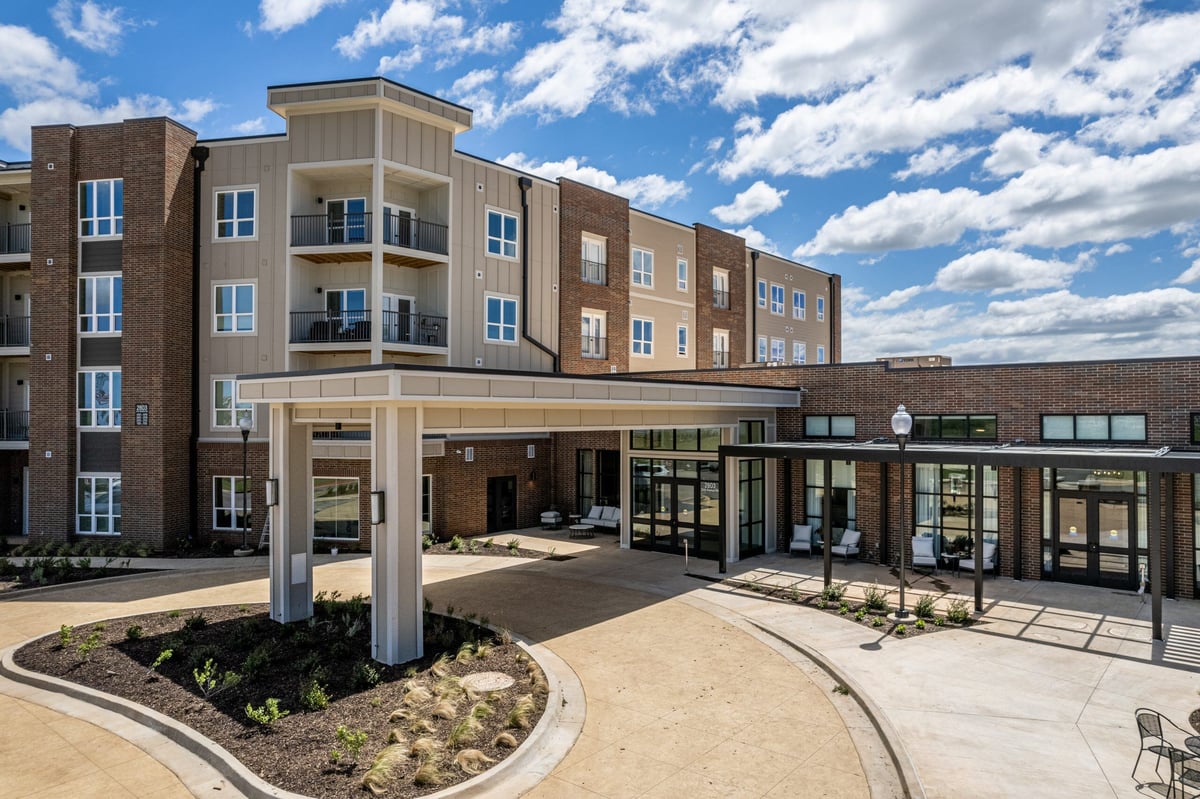
At communities like Sooner Station in Norman, OK, families find thoughtful support through personalized care, engaging daily programs, and secure spaces designed to promote comfort and familiarity.
These changes often appear gradually, which can make it difficult to determine when the transition should happen. Understanding the key indicators can help you decide when dementia requires memory care.
Safety Concerns at Home Are Increasing
When safety becomes a daily concern, it is often a clear sign that more specialized support is needed. Individuals living with dementia may forget to turn off appliances, leave doors unsecured, or wander outside without awareness of their surroundings.
You might notice:
- Burn marks on pots or appliances left running
- Doors or windows left unlocked or open
- Getting lost in familiar neighborhoods
- Unsafe situations involving cooking or household equipment
SHINE® Memory Care at Sooner Station addresses these risks through secure building access, thoughtfully designed layouts, and monitored outdoor areas. Residents can move about comfortably while remaining in a protected setting.
If you constantly worry about your parent’s safety, this is often a strong indicator that it may be time for memory care.
Daily Tasks Have Become Overwhelming
As dementia progresses, everyday routines can become difficult to manage. Your parent may struggle with bathing, dressing, eating regularly, or taking medications correctly. These symptoms a parent needs dementia care often signal that additional support is necessary.
In a memory care setting, residents receive help with Activities of Daily Living while maintaining as much independence as possible. Support may include:
- Gentle reminders tailored to individual abilities
- Assistance with personal hygiene and dressing
- Medication management and routine support
- Nutritious meals served in a comfortable dining environment
At Sooner Station, personalized care plans evolve alongside each resident’s needs, supporting different dementia progression stages requiring care.
Behavioral Changes Are Affecting Family Dynamics
Dementia can bring changes in mood, personality, and behavior. You may notice increased agitation, confusion, or withdrawal. Some families also experience challenges such as sundowning, which can cause restlessness later in the day.
Memory care team members are trained to understand these behaviors and respond with patience and proven techniques. Structured routines, calming environments, and meaningful engagement programs can help reduce stress and confusion.
Many families find that their relationship improves after the move. Instead of managing complex care needs, you can focus on spending meaningful time together. For many, this is when it becomes clearer when dementia requires memory care.
Current Living Situation No Longer Meets Their Needs
Your parent may currently live alone, with family, or in an assisted living setting that no longer provides enough support. When cognitive challenges increase, the level of care required may exceed what these environments can safely offer.
Understanding memory care vs assisted living is important. Assisted living supports individuals who need help with daily tasks, while memory care provides:
- A secure environment designed to prevent wandering
- Higher levels of personalized attention
- Structured routines that reduce confusion
- Specialized programs for cognitive engagement
Sooner Station offers both Assisted Living and SHINE® Memory Care, allowing families to find the right level of support as needs change.
Family Caregivers Are Experiencing Burnout
Caring for a loved one with dementia can be physically and emotionally demanding. If caregiving responsibilities are affecting your health or relationships, it may be time to consider additional support.
Common signs of caregiver burnout include:
- Sleep deprivation or constant fatigue
- Stress-related physical health concerns
- Strained relationships with family members
- Feeling overwhelmed, anxious, or isolated
Recognizing these signs is not a failure. It reflects the reality that your loved one’s needs have grown beyond what one person can manage alone. Memory care provides consistent, compassionate support while allowing you to return to your role as a family member rather than a full-time caregiver.
Is It Time for Memory Care?
Deciding it’s time for memory care can feel overwhelming, but you do not have to navigate it alone. By recognizing these signs early, families can make thoughtful decisions that support both safety and quality of life.
If you are exploring next steps, you can learn more about the supportive lifestyle and services offered through Assisted Living and SHINE® Memory Care at Sooner Station.
Schedule a personalized tour to see how Sooner Station can support your family.